General

Keeping Homes Flowing: Practical Plumbing Help for Weatherford Residents

Plumbing affects daily life in quiet ways until a drain slows, a toilet runs, or a pipe begins to leak behind a wall. In Weatherford, homes range from older properties near the town center to newer builds on growing edges of the community, so plumbing needs can vary a lot from one street to the next. Good service starts with clear advice, careful inspection, and repairs that match the age and layout of the house. Small problems can grow fast.

Why Local Plumbing Needs Can Be Different in Weatherford

Weatherford homes often face a mix of plumbing conditions because the area includes both long-standing neighborhoods and newer developments built within the last 10 to 20 years. An older home may have worn shutoff valves, aging water heaters, or pipes that have seen decades of mineral buildup. A newer house may have modern fixtures, yet it can still develop slab leaks, clogged lines, or pressure issues if maintenance gets ignored. The local mix matters.

Seasonal weather can put stress on plumbing systems too. Cold snaps may be short, but even one night below 32 degrees can threaten exposed outdoor pipes, hose bibs, and irrigation connections. Summer heat brings another challenge because high water use can reveal weak spots in supply lines or fixtures that already had hidden wear. That is why many homeowners choose to inspect problem areas before the hottest and coldest months arrive.

Plumbers who work in the area learn to watch for common trouble spots such as garage water heaters, outdoor spigots, kitchen drain lines, and sewer cleanouts that sit near roots or shifting soil. A simple inspection can uncover issues that are easy to miss during a rushed visit, especially when the visible symptom is far from the true source of the problem. When a faucet drips at a rate of one drop per second, it can waste more than 3,000 gallons in a year. That wasted water shows up on the bill.

Choosing the Right Service for Repairs, Replacements, and Emergencies

When a homeowner needs help, the best service is not always the one that promises the fastest arrival with the fewest details. A dependable company explains the likely cause, gives a fair scope of work, and tells you if the repair is a temporary fix or a long-term answer. Many residents looking for a trusted Plumber in Weatherford want someone who can handle everything from a clogged sink to a full water heater replacement. Good communication matters as much as speed.

Emergency calls usually happen at the worst time, such as 6:30 in the morning before work or late at night when a toilet starts overflowing. In those moments, a plumber should be able to guide the homeowner through first steps like shutting off the local valve or the main water supply before the crew arrives. That quick advice can limit damage to flooring, drywall, cabinets, and baseboards. Panic makes things harder.

It also helps to ask what tools and methods will be used during the visit. A drain problem might need a basic auger, a camera inspection, or a hydro jetting service depending on the depth and cause of the blockage. Sewer issues are different from fixture issues, and a good technician will explain that in plain language instead of using vague terms that leave the homeowner guessing. One clear answer can prevent a much larger repair later.

Price should be discussed early, yet cost alone should not decide the job when water damage is on the line. Replacing a failed water heater, for example, may involve code updates, venting checks, a drain pan, and safe disposal of the old tank, so a higher quote may reflect real work rather than extra markup. A careful plumber should also tell you when repair no longer makes sense, especially if a unit is 10 to 12 years old and showing rust near the base. That kind of honesty builds trust.

Common Plumbing Problems Homeowners See Most Often

Clogged drains are one of the most common reasons people call for help. Kitchen sinks often collect grease, food scraps, and soap residue over time, while bathroom lines fill with hair, toothpaste, and product buildup. A slow drain may seem minor for a week or two, yet that delay can hide a deeper blockage forming farther down the line. Old pipes can fail.

Water heater trouble is another frequent issue in family homes. A tank that makes popping sounds, sends rusty water to taps, or runs out of hot water after one shower may have sediment buildup inside, and that buildup gets worse as months pass. In a house with four people, the change is easy to notice because morning routines start running into each other. No one likes cold showers.

Leaks can appear in obvious places, such as under a kitchen sink, or in hidden areas behind walls and under slabs. A hidden leak may show up as a soft floor, a musty smell, peeling paint, or an unexplained rise in the monthly bill even when water use habits have not changed. Some homeowners first notice the issue when they hear water moving at 2 a.m. after every faucet is off, which is often a sign that a supply line needs immediate attention. Quiet signs matter.

Toilet problems are also common, especially in busy homes where one bathroom gets used many times each day. A toilet that runs for hours can waste a surprising amount of water, and a weak flush may point to a worn flapper, low tank fill, partial clog, or venting problem. These repairs are often straightforward, but a repeated problem can signal a larger issue in the line serving the bathroom group. Quick fixes are not always enough.

Ways to Protect Your Plumbing and Avoid Bigger Repairs

Basic care can prevent many costly visits. Homeowners should know where the main shutoff valve is located, test it from time to time, and make sure everyone in the house understands how to use it. A valve that has not been touched in 8 years may stick when it is finally needed, which is a bad surprise during an active leak. Practice helps.

Drain care should stay simple. Avoid pouring grease down the kitchen sink, use strainers in showers, and skip chemical drain cleaners that can damage older pipes or weaken seals over time. A safer habit is to flush kitchen lines with hot water after washing dishes and to clear visible hair from bathroom drains every week. Small habits save money.

Water heaters need attention too, even when they seem to work fine. Flushing sediment from the tank once a year can help with efficiency and reduce stress on the unit, and checking for rust around fittings may catch a problem before failure sends water across the garage or closet floor. Many owners delay service because the heater still turns on, but a hidden issue can become a replacement job at the least convenient moment. Waiting can be expensive.

Outdoor plumbing deserves a close look before winter and before heavy summer use. Hose bibs, sprinkler connections, and exposed pipes should be checked for cracks, drips, and weak fittings, especially after a freeze or after yard work that may have bumped a line. Spending 15 minutes on an outside inspection can save hours of cleanup inside the house if a damaged connection starts leaking into a wall or foundation area. A little effort goes far.

Reliable plumbing service brings peace of mind because it protects comfort, saves water, and keeps small issues from turning into costly repairs. Weatherford homeowners benefit most when they act early, ask direct questions, and choose careful work over rushed promises. A well-maintained system supports the whole house every single day.
General

Discovering the Joy of Sailing Holidays Around Malta

Malta has become one of the most loved sailing destinations in the Mediterranean. Its clear waters, warm climate, and historic coastline attract visitors from all over the world. Many travelers now choose to explore the islands by sea instead of staying on land. A catamaran offers space, comfort, and a unique way to experience Malta’s beauty.

Why Choose a Catamaran for Your Malta Trip

A catamaran provides more stability than a traditional sailboat, which makes it a popular choice for families and small groups. The wide deck gives you room to relax, sunbathe, or enjoy meals with a sea view. It feels spacious. Even when the sea gets slightly rough, the ride remains smooth and comfortable.

There is also more privacy on board. Cabins are often separated, and shared spaces feel open instead of cramped. This matters during longer trips, especially when spending a full day or even several nights on the water. Many catamarans include kitchens, bathrooms, and shaded seating areas.

Another reason people choose catamarans is the access to shallow bays. Malta has many hidden spots that larger boats cannot reach. These quiet places offer calm water, perfect for swimming or snorkeling. You get closer to nature.

Planning the Perfect Charter Experience

Planning ahead helps you enjoy your sailing day without stress. You need to think about the number of people, the duration of your trip, and what kind of experience you want. Some prefer a quiet day at sea, while others look for music, food, and celebration. Malta offers options for both styles.

Many travelers search online for reliable services, and one useful option is catamaran charter Malta, which offers different packages suited for day trips or private events. Choosing a trusted provider ensures safety and good service. It also helps you avoid last-minute problems.

It is smart to book at least two weeks in advance during peak season. Summer months like July and August fill up quickly. Morning departures are often calmer, while sunset trips provide a special atmosphere. Each time of day gives a different feeling.

Food and drinks are often included or can be added. Some charters allow you to bring your own supplies. Others provide full catering with local dishes and fresh seafood. Ask about details before booking.

Top Destinations to Visit by Catamaran

Malta is small, but the coastline offers many beautiful spots worth visiting. One of the most famous places is the Blue Lagoon on Comino Island. The water there looks unreal. Its bright turquoise color makes it perfect for swimming and photos.

Another popular destination is the island of Gozo. It has a quieter feel compared to Malta. You can stop near Ramla Bay, known for its reddish sand and clear water. Many visitors also enjoy exploring caves and cliffs along the coast.

There are also hidden coves near Mellieha and St. Paul’s Bay. These areas are less crowded than major tourist spots. A catamaran can anchor in peaceful bays where you can swim without noise or crowds. This is where the real charm lies.

Some charters include guided routes. Others let you decide where to go. Flexibility makes the experience more personal. You can change plans depending on weather or mood.

What to Expect Onboard

Life on a catamaran is relaxed and simple. You spend most of your time outdoors, enjoying the sea breeze and sunshine. The sound of waves becomes part of the experience. It is calm and steady.

Most boats include basic facilities like restrooms, seating areas, and shaded sections. Larger catamarans may offer additional features such as sound systems, paddleboards, or snorkeling gear. These extras make the trip more enjoyable for groups.

Here are a few things you can expect during your charter:

– A professional skipper who handles navigation
– Safety equipment for all passengers
– Stops for swimming and relaxing
– Optional meals or snacks depending on your package

Do not expect luxury hotels at sea, but comfort is guaranteed. The focus is on the experience rather than perfection. You spend hours outside. That is the main appeal.

Tips for a Better Sailing Day

Preparation makes a big difference. Bring sunscreen, sunglasses, and a hat to protect yourself from the strong Mediterranean sun. Even on cloudy days, UV rays remain intense. Many people forget this.

Wear light clothing and comfortable swimwear. Shoes are often not needed on board, but non-slip sandals can help. Towels are useful, though some charters provide them. Always check before packing.

It is also important to stay hydrated. Drink water regularly, especially during hot summer days. Alcohol can be enjoyable in moderation, but too much may spoil your experience at sea. Balance is key.

If you are prone to seasickness, take precautions before departure. Calm waters are common, but conditions can change. A simple tablet or natural remedy can help avoid discomfort. Better safe than sorry.

Best Time of Year for a Catamaran Charter

The sailing season in Malta usually runs from April to October. Each month offers a slightly different experience. Spring months like April and May are quieter, with mild temperatures and fewer tourists. The sea may feel cooler, though.

Summer is the busiest time. June through August brings hot weather and lively energy. The sea is warm, often around 26 degrees Celsius, which makes swimming very pleasant. Expect more boats and activity in popular areas.

September and October are often considered the best months by locals. The crowds begin to fade, but the sea remains warm from the summer heat. The weather is still sunny, with fewer strong winds. It feels more relaxed.

Winter charters are rare but possible. The sea becomes rougher, and temperatures drop. Most tourists prefer warmer months for comfort and safety. Timing matters more than people think.

A catamaran trip in Malta offers a special way to see the islands from a different angle. The mix of clear water, hidden bays, and relaxed sailing creates lasting memories for travelers of all kinds. Planning carefully and choosing the right time can turn a simple boat ride into a truly memorable day at sea.

General

IPQualityScore Device ID and Fraud Signals

In my experience as a fraud prevention specialist working with both fintech platforms and large-scale e-commerce operations, the IPQualityScore device ID and fraud signals tool has been crucial for detecting suspicious activity before it impacts real customers. I recall a customer last spring attempting to create multiple accounts using slightly varied personal information. While each registration appeared legitimate on the surface, the device ID revealed that all these accounts were originating from a single device. This insight allowed us to intervene early and prevent several thousand dollars in potential losses.

One of the most illustrative cases involved a mobile payment app I was consulting for. The platform had been targeted by repeated credential stuffing attacks, with logins coming from numerous IP addresses. At first, it was nearly impossible to determine which accounts were genuine. By leveraging IPQualityScore’s device ID and fraud signals, we discovered that multiple “new” accounts were actually being accessed by the same high-risk devices. Blocking those devices in real time stopped the coordinated attacks while allowing legitimate users uninterrupted access. That experience cemented my understanding of how device-level intelligence can uncover patterns invisible at the account or IP level.

I’ve also seen teams overreact to normal anomalies, such as a legitimate user logging in from a new device while traveling. In one situation, an e-commerce client flagged multiple sessions as suspicious, which could have led to unnecessary account freezes. Using the device ID and fraud signals, we were able to differentiate between legitimate device changes and risky behavior—such as emulators, devices previously linked to fraud, or unusual configurations. For instance, a frequent traveler’s device was initially flagged, but the tool confirmed it as low-risk, preventing unnecessary customer friction.

From a hands-on perspective, the real value of the IPQualityScore device ID and fraud signals lies in the combination of real-time risk scoring, behavioral insights, and cross-device correlation. In one incident, a single device attempted multiple registrations and payments within hours. The system flagged it immediately, allowing our team to prevent a coordinated fraud attempt that could have impacted dozens of accounts.

Overall, IPQualityScore device ID and fraud signals have become essential in my fraud prevention toolkit. They provide actionable intelligence that enables teams to respond to threats quickly, protect revenue, and maintain a seamless experience for legitimate users.

General

The Kind of Real Estate Leader People Actually Want to Follow

After 12 years as a real estate broker and team leader, I’ve learned that effective leadership has very little to do with sounding impressive and a lot to do with being dependable under pressure. I’ve watched agents, clients, lenders, inspectors, and contractors all react differently when a deal starts to wobble, and the leader in the room sets the tone. That’s why I pay attention to professionals like Adam Gant Victoria, because strong leadership in real estate still comes down to trust, judgment, and the ability to keep people moving forward when emotions are running high.

How good is leadership in real estate?

One of the biggest mistakes I see is leaders thinking their job is to control every detail. In my experience, that creates hesitant agents and exhausted managers. A real estate office runs better when the leader builds structure, teaches standards, and then lets people do their jobs. A few years ago, I had a newer agent on my team who kept calling me in a panic every time a client asked a tough question. She was smart and hardworking, but she had gotten used to being rescued. I stopped jumping in immediately and started coaching her through those conversations before they happened. Within a season, she was handling objections with confidence and closing deals without needing constant backup. That shift did more for her career than me stepping in ever could have.

Good leadership in this business also means being honest, even when the truth is uncomfortable. Sellers do not need false optimism. Buyers do not need vague reassurance. Agents do not need empty motivation. They need clarity. I remember one spring when the market in my area had shifted faster than some sellers expected. One homeowner was convinced their property would attract multiple offers well above list because a neighbor had sold quickly a few months earlier. My agent wanted to avoid conflict and price it high anyway. I told her not to do that. We sat down with the client, walked through the recent changes in buyer behavior, and explained what overpricing would likely cost them in time and leverage. The seller was frustrated at first, but they listened. The home sold cleanly after a realistic launch, and my agent learned that leadership sometimes means protecting people from bad decisions, not just supporting whatever they want.

Another trait I value is consistency. Real estate has a way of exposing leaders who are steady only when things are easy. During a rough stretch last fall, I had two transactions hit serious inspection issues in the same week. One involved repair demands that were far beyond what made sense, and the other had a buyer ready to walk over problems that were fixable. In both cases, my team was looking at me before they were looking at the paperwork. They wanted to know whether to panic. I’ve found that agents borrow confidence from their leader until they build enough of their own. If I had acted scattered, they would have done the same.

The most effective leaders in real estate are not necessarily the loudest or the most visible. They are the ones who stay composed, communicate clearly, and hold people to a standard without creating fear. In a business where timing, money, and emotion all collide, that kind of leadership is what keeps deals together and teams growing.

General

What a Peptide Research Lab Manager Considers Before Buying Retatrutide

After more than a decade managing peptide-based experiments in a metabolic research lab, I’ve learned that sourcing decisions often shape the outcome of a project before the first assay even begins. Recently, several colleagues have asked where they can reliably Buy Retatrutide for controlled research studies. That question usually comes up when researchers start planning new experiments focused on metabolic signaling and want to avoid the sourcing mistakes I’ve seen many labs make over the years.

Buy Retatrutide in the UK | Pure Weight Loss Peptide

My background is in endocrine and metabolic pathway research, and part of my job has always involved coordinating the purchase and handling of peptide compounds for our experiments. I remember the first time Retatrutide came up in one of our weekly literature review sessions. A senior researcher in our lab had been studying GLP-1 receptor pathways for years, and he suspected that some of the metabolic responses we were seeing involved several interacting receptors rather than just one. Retatrutide, with its multi-receptor activity, immediately caught the lab’s attention.

One collaboration from a few years ago taught me an important lesson about peptide sourcing. A partner lab we worked with was preparing a metabolic assay series and needed several peptide compounds. Because their grant budget was tight, someone suggested ordering from a supplier offering noticeably lower prices than the vendors they usually used.

The shipment arrived quickly, and at first glance everything looked fine. But when I visited the lab and reviewed the materials, I noticed that the documentation was minimal. The vials were labeled, but the batch information and purity reports weren’t as detailed as what we normally receive. The researchers decided to move forward with their assays anyway.

Within days their data began behaving unpredictably. Some plates showed expected responses, while others produced results that didn’t make biological sense. I remember spending an afternoon with their team recalibrating equipment and reviewing protocols step by step. Eventually they replaced the peptide batch with material from a supplier that provided clear documentation and consistent handling procedures. The assays stabilized almost immediately, but the team had already lost several weeks repeating experiments.

Another situation reinforced how small operational details can influence research outcomes. Last spring I visited a smaller research facility preparing a metabolic signaling study. During a quick walkthrough, I noticed several peptide vials stored in a refrigerator shared with everyday lab reagents. That door opened constantly throughout the day.

Peptides can degrade faster than many researchers expect under fluctuating temperatures. I suggested moving the samples into a dedicated freezer and preparing smaller aliquots so the same vial wouldn’t need repeated thaw cycles. A few months later the team told me their assay consistency had improved noticeably.

Experiences like these have shaped how I advise younger researchers entering peptide work. Compounds like Retatrutide attract attention because they allow scientists to explore metabolic signaling in a broader way, especially when multiple receptors may influence the biological response.

But promising compounds alone don’t guarantee meaningful results. Reliable sourcing, detailed documentation, proper shipping conditions, and disciplined storage inside the lab all play a role in producing data researchers can trust.

In my experience, labs that treat those practical details seriously tend to avoid the setbacks that slow down many promising studies. When the materials are handled correctly from the start, researchers can spend their time analyzing results rather than troubleshooting preventable problems.

General

What Years in Professional Kitchens Taught Me About Celebrity Chef Recipes

After more than a decade working in restaurant kitchens—starting on prep stations and eventually helping manage a small coastal restaurant—I’ve developed a healthy skepticism about recipes that come from famous chefs. Some are incredibly useful learning tools. Others look great on television but fall apart in a real kitchen. That’s why I always pay attention to celebrity chef recipes that come from chefs who clearly understand the practical side of cooking, not just presentation.

In my experience, the difference becomes obvious the moment you actually cook the dish.

The First Time a “Famous” Recipe Failed Me

Early in my career, I tried recreating a dish from a well-known television chef during a slow afternoon in the restaurant kitchen. The recipe looked straightforward on paper. The ingredients were simple enough, and the instructions seemed clear.

But halfway through cooking, I realized something was missing. The recipe skipped important details—how hot the pan should be, when exactly to adjust seasoning, and how long the sauce should actually reduce. The final result wasn’t terrible, but it wasn’t something I would serve to a paying guest either.

That moment taught me something I still tell younger cooks today: recipes from famous chefs should be treated as guidance, not strict instructions.

Real cooking depends on judgment.

Why Some Celebrity Chef Recipes Actually Work

Not every famous chef recipe is flawed. In fact, some of the most useful techniques I’ve learned came from chefs who share their process clearly.

A few seasons ago, while planning a seafood feature for our weekend menu, one of my line cooks brought in a recipe from a chef known for coastal cuisine. What impressed me was how the recipe explained the reasoning behind each step. Instead of simply saying “cook until done,” it described how the fish should feel when pressed lightly with a spatula.

That kind of detail comes from someone who has cooked the dish hundreds of times.

We tested the recipe during staff meal, adjusting slightly for the fish available that day. The result was good enough that we adapted the technique into one of our seasonal specials. Customers responded immediately—especially those who appreciated simple seafood prepared carefully.

The Most Common Mistake Home Cooks Make

After years of mentoring younger cooks, I’ve noticed the same misunderstanding over and over. People assume that celebrity chef recipes are designed exactly for their kitchen environment.

They often aren’t.

Professional kitchens operate differently. Heat levels are stronger, equipment is larger, and ingredients sometimes arrive much fresher than what’s available in a grocery store. When cooks try to replicate those recipes at home without adjusting for those differences, frustration usually follows.

I remember one cook who tried recreating a restaurant-style pasta dish exactly as written. The recipe called for a fast sauce reduction that simply wasn’t possible on a standard stovetop burner. We talked through it afterward and realized the technique needed a slower approach at home.

That adjustment changed the outcome completely.

What I Look For Before Trying a Recipe

After years behind the stove, I’ve learned to recognize which recipes are likely to succeed.

The ones I trust usually include small practical details—notes about ingredient substitutions, reminders to taste as you go, or suggestions for adjusting cooking times. Those details signal that the chef understands real cooking environments.

Recipes that focus entirely on presentation without explaining technique tend to be less reliable.

Another sign of a strong recipe is simplicity. Some of the best dishes I’ve cooked professionally involve only a handful of ingredients handled carefully. When a recipe includes too many components, it often distracts from the main flavor.

Why I Still Follow Celebrity Chef Recipes

Even after thousands of hours in kitchens, I still read recipes from respected chefs. Not because I expect them to solve every cooking challenge, but because they often reveal new perspectives.

Sometimes it’s a small change in seasoning order. Sometimes it’s a different way to handle an ingredient I thought I understood. Those small insights accumulate over time and make you a better cook.

Cooking is a craft built on shared knowledge. Every chef learns from someone else, and recipes—when written well—are one of the ways that knowledge moves from one kitchen to another.

That’s why I still keep a few well-used recipe pages tucked into my notebook from years of experimenting behind the stove.

General

Buy Tesmorelin: What I Learned About Peptide Support and Realistic Expectations

If you are thinking about peptide support for recovery and metabolic balance, you may want to explore options to Buy Tesmorelin. I have spent over ten years working as a sports nutrition consultant focusing on peptide-based recovery strategies for recreational athletes and aging adults who want to maintain functional performance. Most people who approach me are not chasing dramatic physique transformations but rather want better sleep stability, joint comfort after training, and more consistent daytime energy.

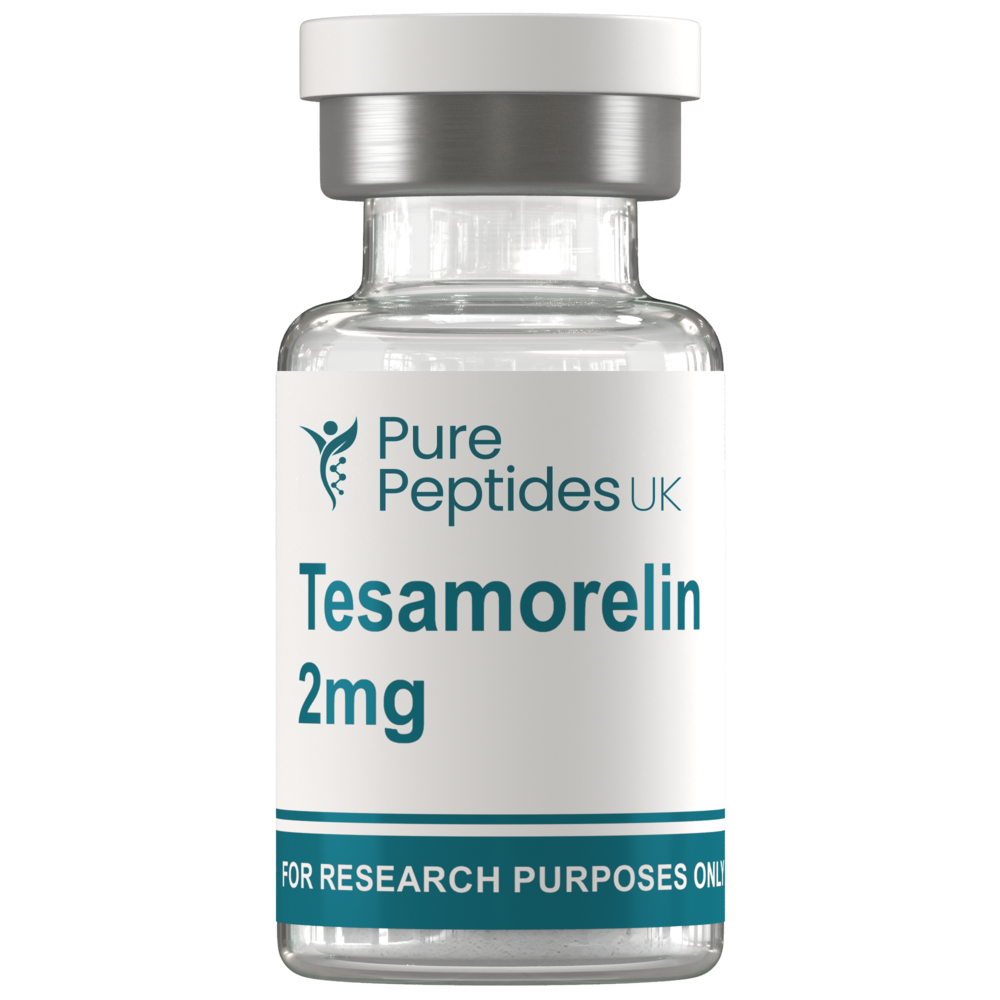
Tesamorelin 2mg Growth Hormone Regulation Peptide | Pure Peptides UK

When I first began advising clients about growth hormone–releasing peptides, I noticed that many people expected fast visual changes. One customer last spring came to me after spending several thousand dollars on different supplements that promised muscle growth and fat reduction. He trained five days a week but worked night shifts, slept irregularly, and relied heavily on stimulants. Introducing Tesmorelin into his routine did not suddenly reshape his body, but over a few months he reported improved morning alertness and less post-workout stiffness in his shoulders.

Tesmorelin works by stimulating the body’s natural growth hormone secretion rather than supplying external hormones. In my professional experience, this distinction matters because the body tends to respond more smoothly to signaling peptides compared to synthetic hormone replacement approaches. I have worked with clients who tried aggressive hormonal protocols before coming to me, and many described feeling either overstimulated or emotionally unstable during those cycles. With Tesmorelin, responses are generally subtler but more physiologically balanced.

One common mistake I encounter is assuming that higher dosage automatically means faster results. A middle-aged cyclist I worked with last year increased his dose after reading online discussions, hoping to accelerate fat reduction during his summer training phase. Instead, he experienced mild headaches and restless nights for nearly a week. After we reduced the dosage back to a conservative level and allowed his body to adapt, the discomfort disappeared. That experience reinforced my belief that peptide therapy works best when progression is slow and observation-focused.

Sleep quality is one of the most interesting response markers I watch. Growth hormone release is closely connected with deep sleep cycles, and many people report subtle improvements in overnight rest after consistent use. I remember a client who owned a small construction business and complained that physical labor during the day left him exhausted by evening but still unable to sleep properly. After about six weeks of controlled Tesmorelin use combined with better evening nutrition habits, he told me he was waking up less during the night and felt more recovered before starting work at the site.

Timing of administration can influence comfort and effectiveness. I usually suggest evening dosing for people who do not experience sleep disruption from peptides, because it aligns better with natural hormonal pulsation. However, I have also seen a few clients use morning injections successfully when their nighttime routine was already sensitive to stimulation. The key is tracking response patterns rather than following fixed internet schedules.

Storage and sourcing quality are another serious concern in my practice. I once reviewed a peptide vial purchased from an online marketplace that showed inconsistent performance after only two weeks of use. The client had paid a surprisingly low price compared to standard market ranges. While cost efficiency matters, peptides are biologically delicate compounds and require proper manufacturing, packaging, and temperature control during shipping.

People sometimes expect Tesmorelin to replace structured training or nutritional discipline. That expectation usually leads to disappointment. In my experience, the best results occur when peptide support is paired with stable calorie intake, resistance training stimulus, and consistent sleep scheduling. I have told clients many times that no peptide can compensate for chronic exhaustion or erratic eating habits.

If you are considering peptide supplementation, the most responsible approach is to start conservatively, monitor your body’s signals, and adjust gradually. Tesmorelin can be useful for recovery optimization and hormonal signaling support, but it is not a shortcut for lifestyle imbalance. The individuals who benefit most are usually those willing to treat it as one component of a broader health strategy rather than a standalone solution.